Ascending voices
Statement
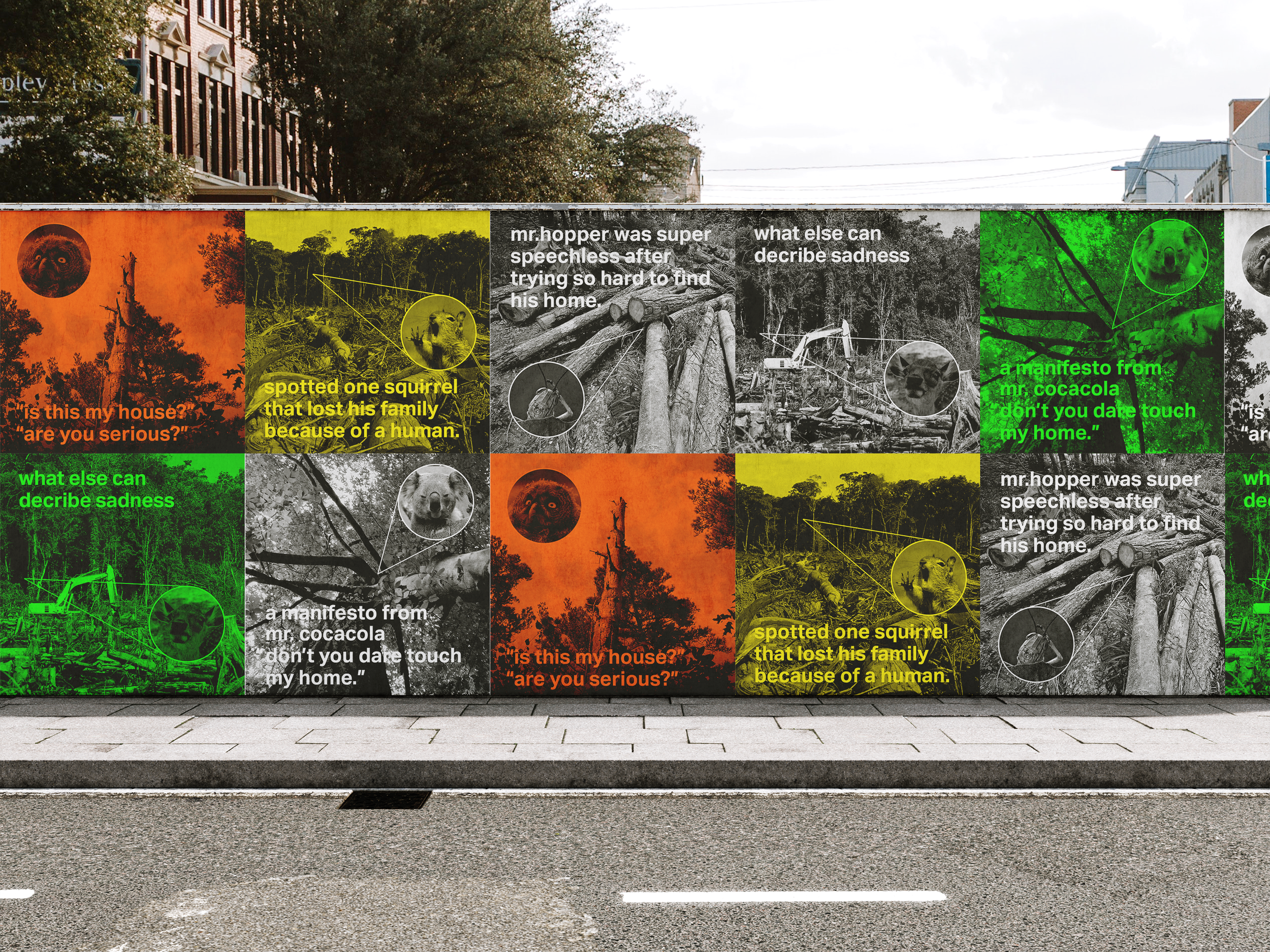
I approach ecological damage as a condition that produces signals before it becomes visible as loss. When forests are cleared and habitats are disrupted, the first changes often appear in behavior, movement, and sound.
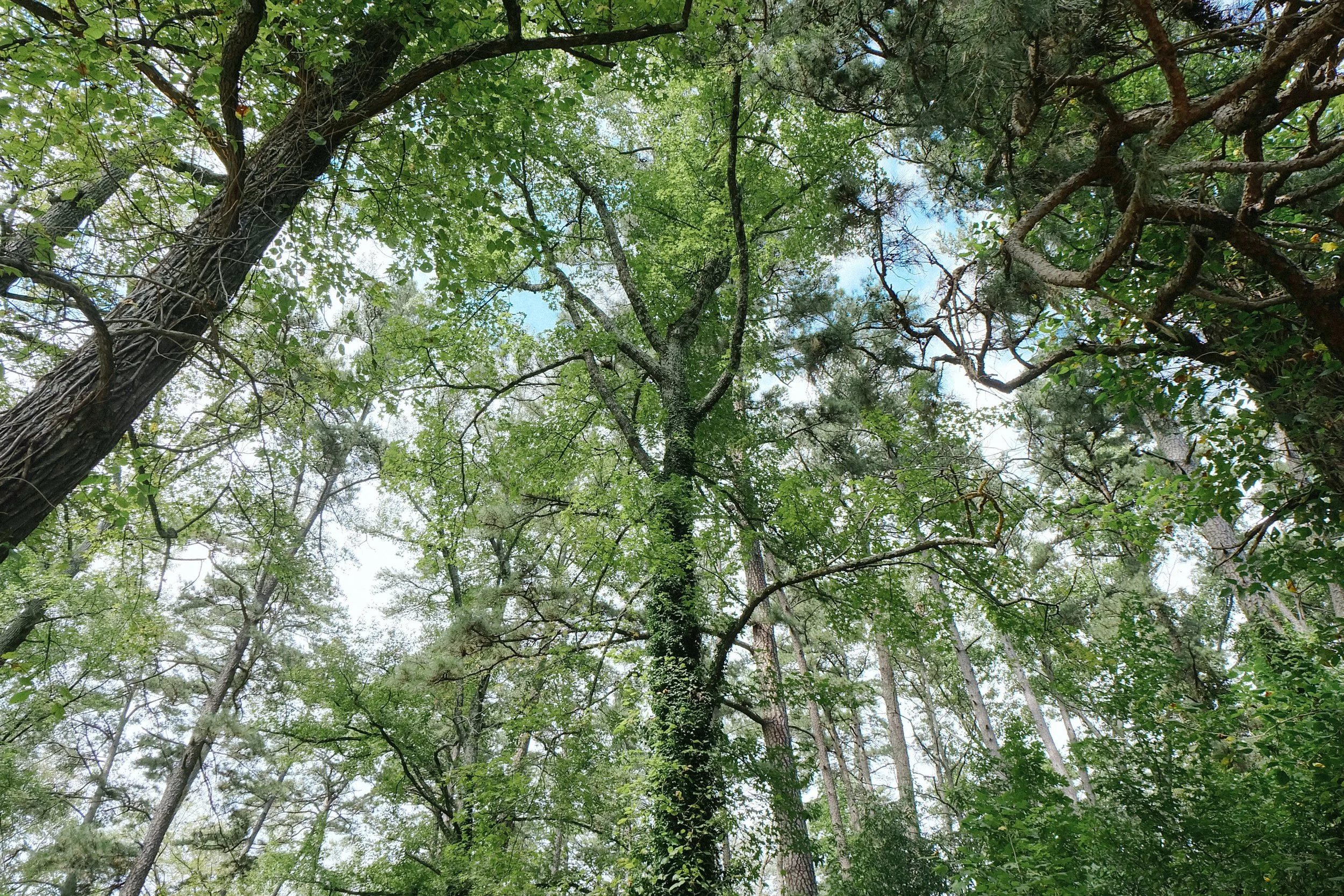
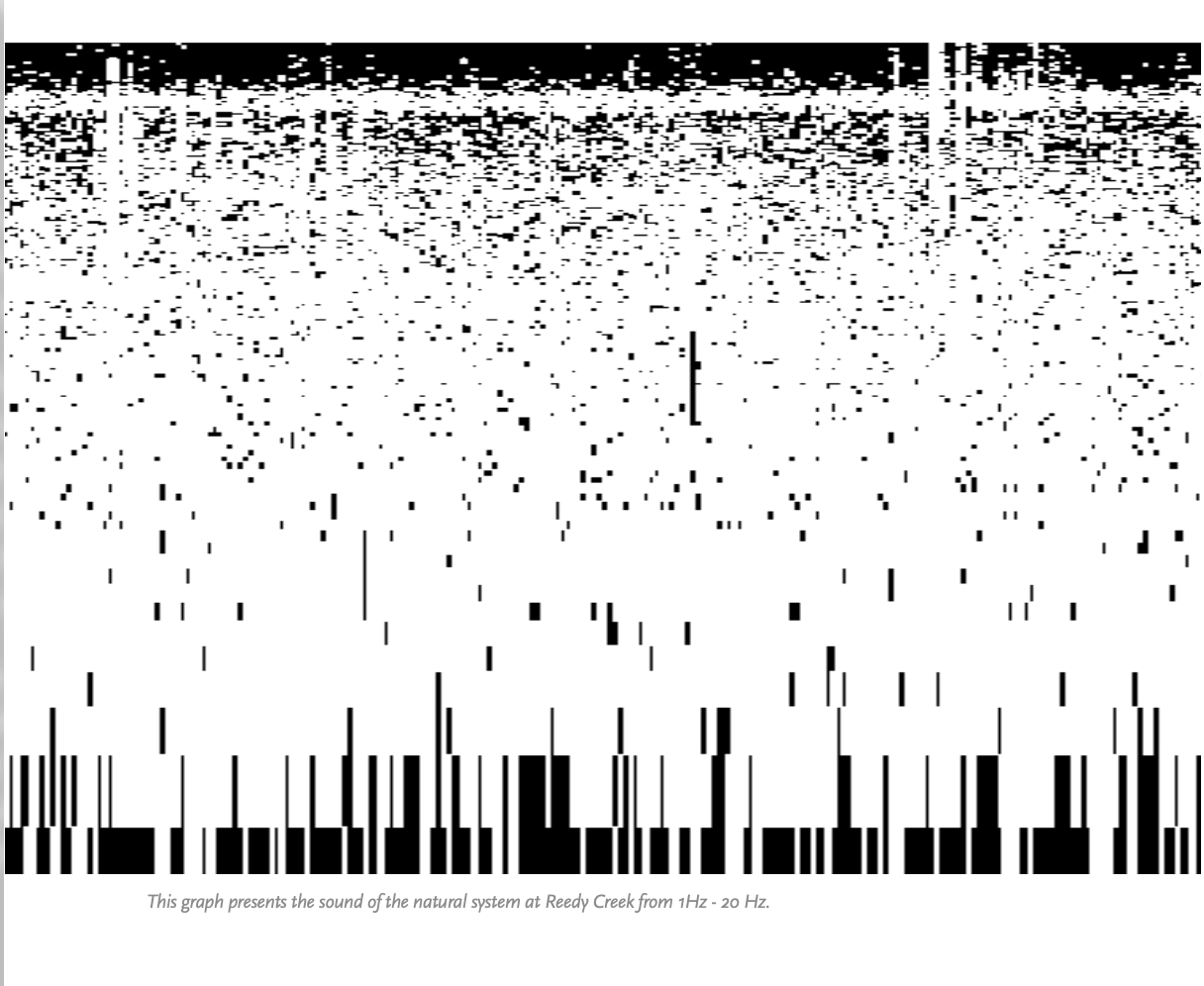
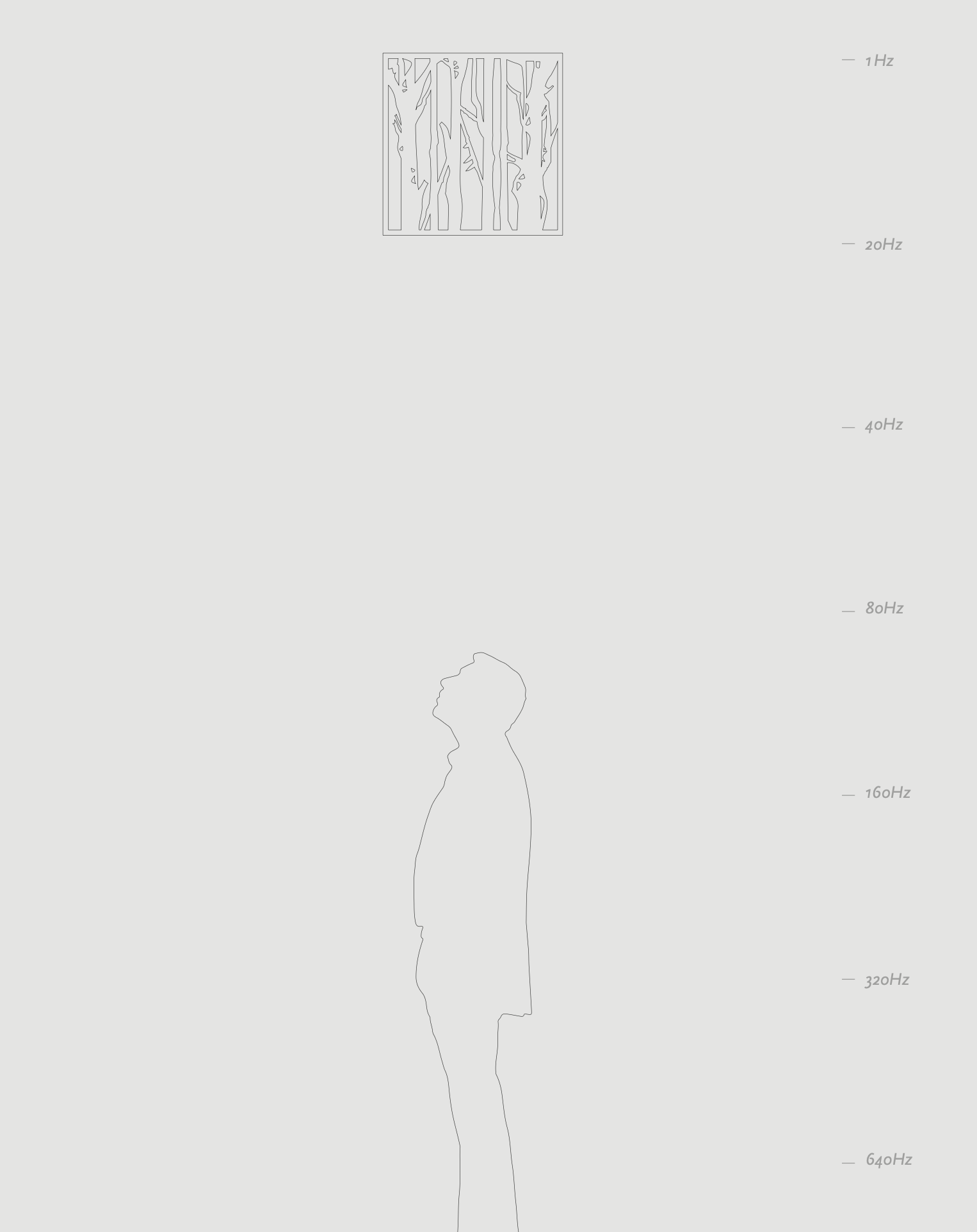
To understand what nature is communicating, I place myself in the forest, sitting, listening, and recording the canopy and animal activity. I analyze the recordings with a spectrum analyzer, focusing on very low frequencies between 1 and 20 Hz, below human hearing (avg. human hearing is 20 - 16,000 Hz). As I move deeper into the site, bird calls sharpen and intensify, and squirrels move repeatedly. I interpret these shifts as signs of excitement, fear, and protection. I use design as a tool to observe, measure, and translate environmental responses.
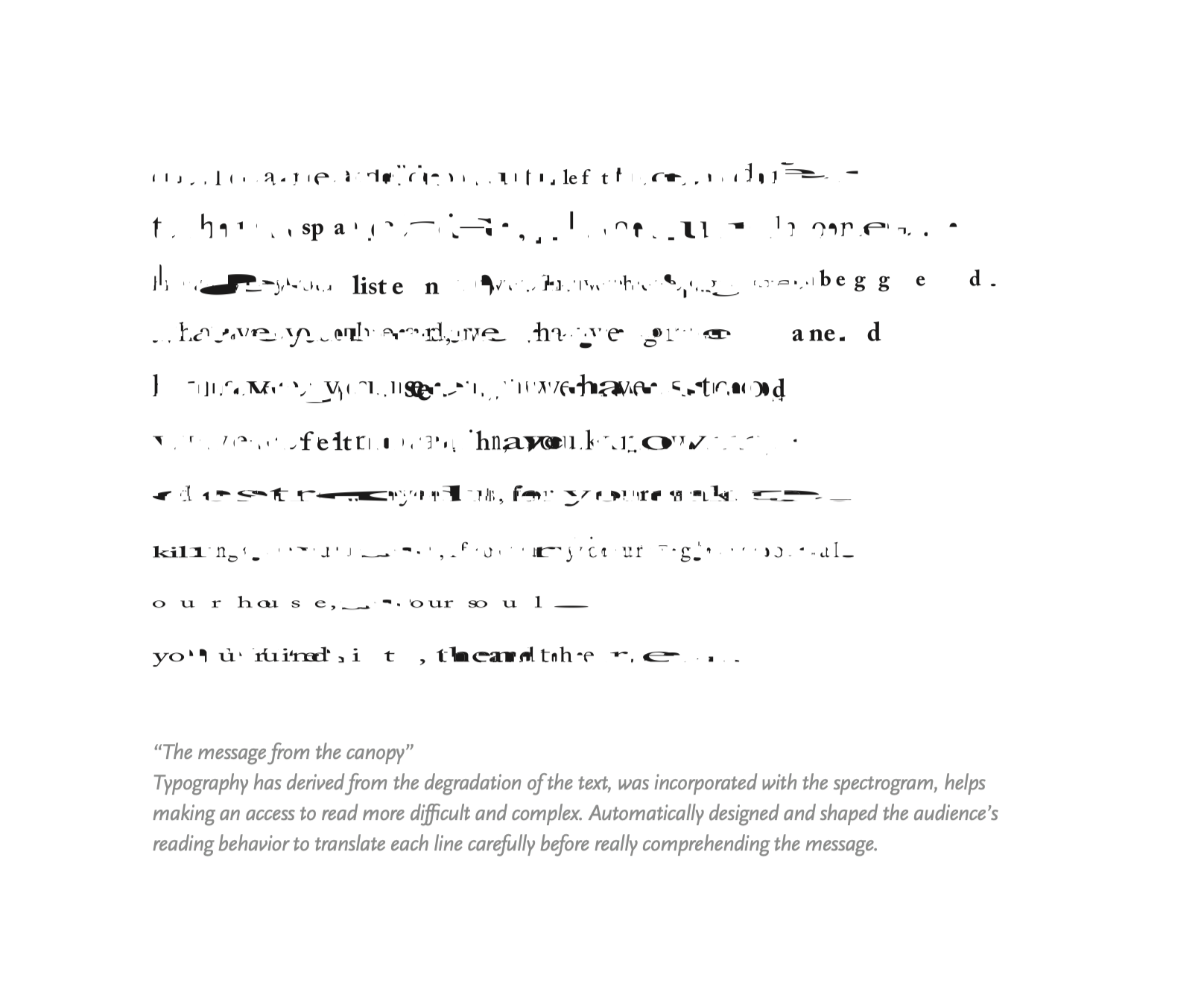
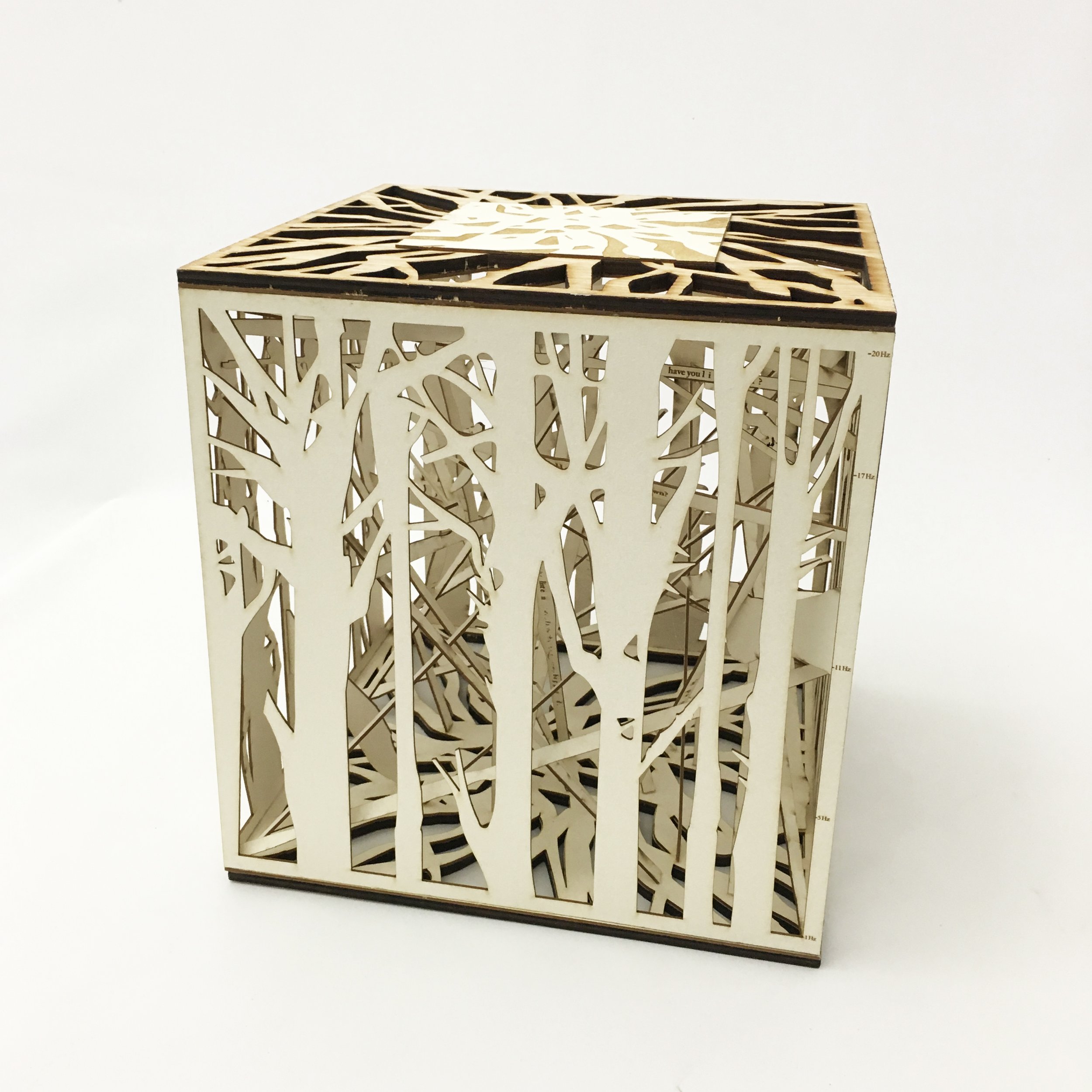
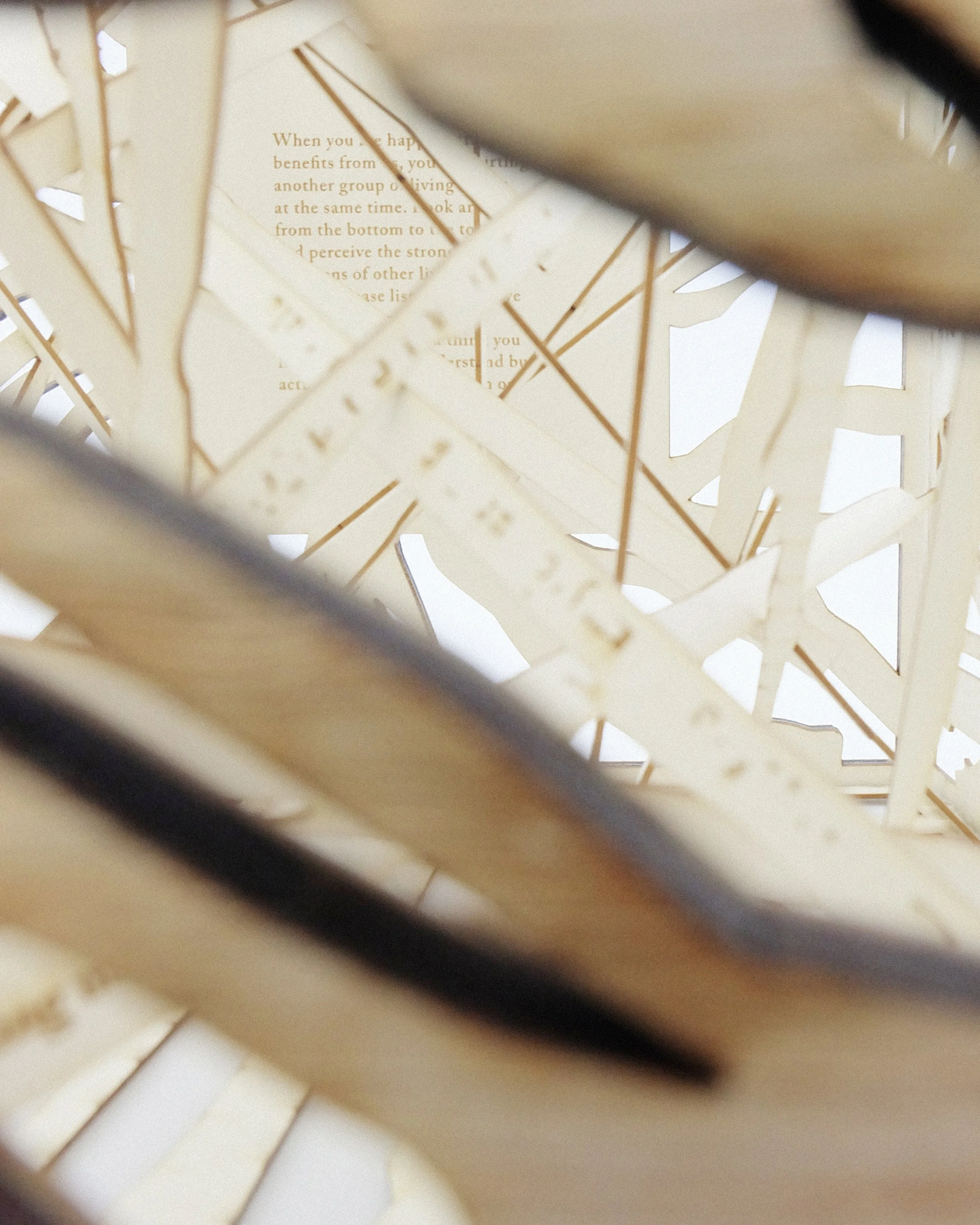
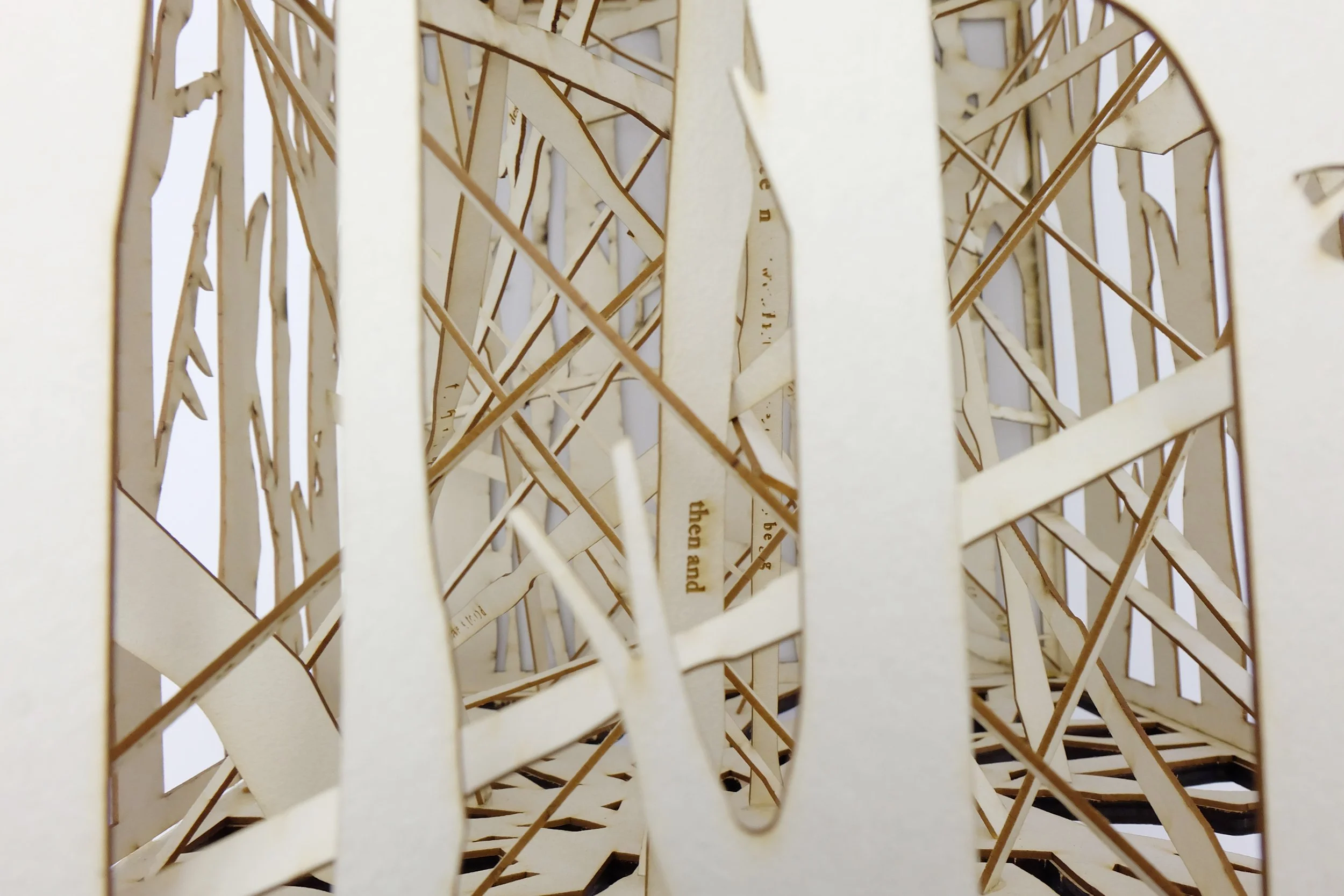
I transform the sounds and movements from the canopy into a poem to reveal the forest’s emotions. Its content reflects deforestation, interruption, fear, and sadness. I incorporate the first levels of the spectrogram, 1 to 20 Hz, to turn inaudible vibrations into a visible language. I place the text inside a suspended cube shaped like a house, creating a canopy-like scene. Viewers read the poem from underneath, experiencing the forest and its canopy from the perspective of its inhabitants.